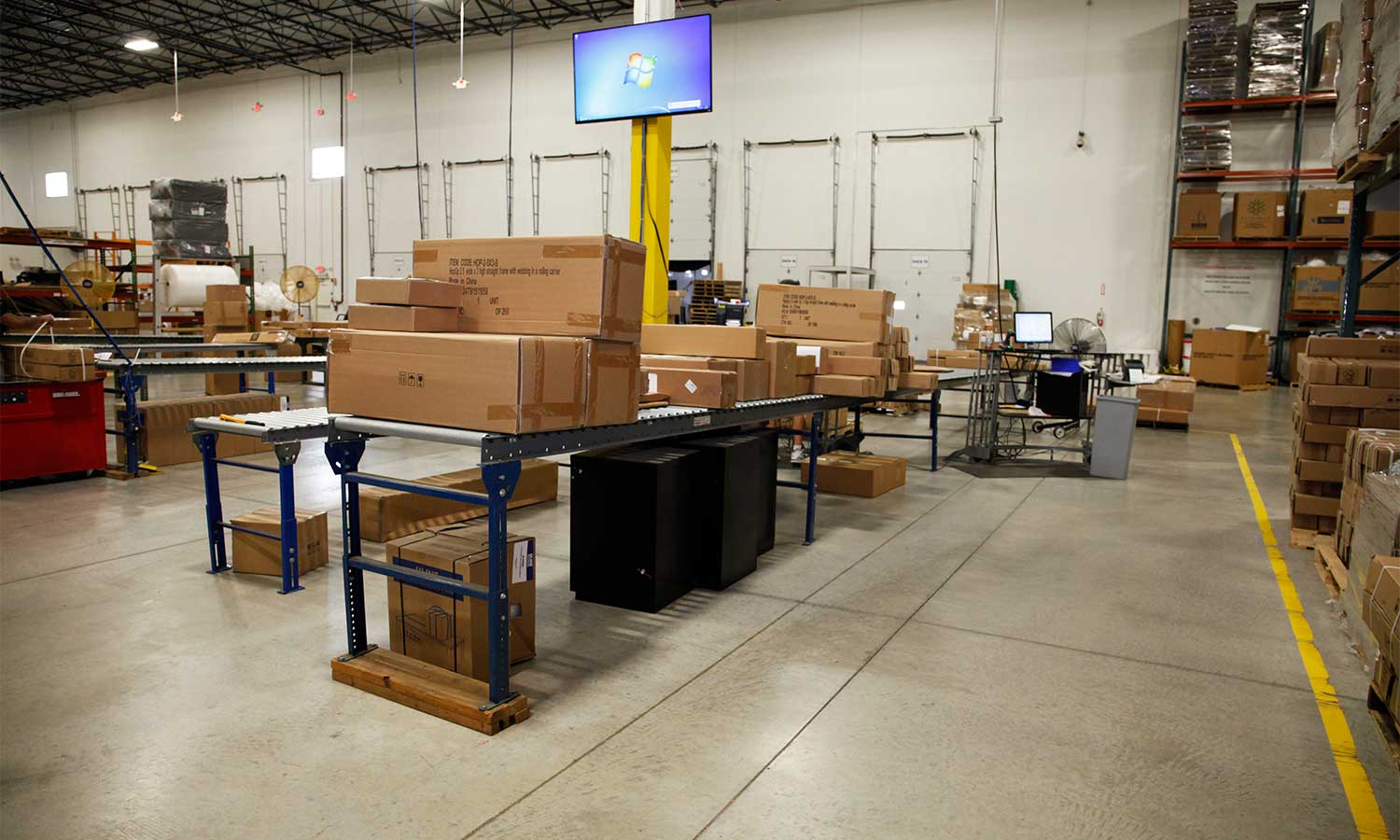
Critical Elements in Miami Trade Show Freight Coordination
Advance shipping windows aligned with venue dock schedules at properties like the Miami Beach Convention Center.
Strategic routing through west access belts for heavy freight avoiding beach corridor congestion.
Material handling protocols scaled to exhibit spaces up to 500,000 square feet.
Integration with GMCVB-listed transportation suppliers for smooth drayage.
Exhibitor-appointed contractor alignment with show organizer freight guidelines.
Timing considerations for inbound moves during setup phases at 84 Breakout Room facilities.
Outbound coordination post-event to clear 100,000 Square Foot exhibition floors efficiently.
Miami planning context
Miami's trade show venues, from the Miami Beach Convention Center with its 60,000 Square Foot Grand Ballroom and 84 breakout rooms to the Broward County Convention Center's 350,000 square feet of contiguous exhibit space, require exhibitors to master freight inbound and outbound processes tailored to each property's loading protocols and neighborhood access patterns. Effective coordination ensures materials reach docks on schedule, accounting for the primary convention cluster along the Collins Avenue corridor in Miami Beach, South Beach, Mid-Beach, and surrounding areas, as well as downtown cores in Brickell and Biscayne Bay districts.
Planning must address the airport-west belt in Doral, Miami Springs, and Hialeah for smoother trucking routes into facilities like the Miami Airport Convention Center, while integrating with the broader South Florida supplier network that includes transportation specialists listed in the Greater Miami Convention and Visitors Bureau directory. This approach aligns drayage moves with venue-specific manuals, preventing delays in handling crates destined for high-density exhibit halls or overflow programs spilling into Fort Lauderdale venues.
Freight Planning for Miami Beach Convention and Collins Corridor Venues
The Miami Beach Convention Center anchors the primary convention cluster encompassing Miami Beach, South Beach, Mid-Beach, North Beach, Surfside, Bal Harbour, and Bay Harbor Islands, where 1.4 million square feet of total meeting and event space and 500,000 square feet of versatile exhibit space necessitate robust shipping strategies from the outset. Exhibitors coordinating drayage must factor in the walkable South Beach meeting district's proximity to loading areas, ensuring trucks navigate Collins Avenue hotel corridors without disrupting pedestrian flows or event traffic during peak setup periods for tradeshows and conventions.
Material handling within this cluster involves maneuvering pallets and crates through dedicated freight elevators into halls supporting large-scale activations, with planning emphasizing pre-event advance shipments to designated yards. the venue's 60,000 Square Foot Grand Ballroom and 84 breakout rooms often host hybrid formats requiring precise staging of audiovisual and display materials, where drayage teams position items for immediate installer access while adhering to property-managed logistics platforms outlined in official planning notes.
Logistics Optimization for Downtown Miami, Brickell, and Biscayne Bay Cores
Downtown Miami, Brickell, Edgewater, Wynwood, Miami Design District, and Midtown Miami form a high-density urban core ideal for investor events, product launches, and corporate programs tied to Biscayne Bay, including the James L. Knight Center with its 16,000 Square Foot largest room and 5,000-theater capacity. Shipping coordination here prioritizes Just in Time drayage to minimize street-side storage amid busy neighborhoods, with materials handled via service entrances designed for conference center inflows supporting the adjoining Miami Convention Center buildings.
Exhibitors benefit from planning that sequences freight deliveries around Biscayne Bay waterfront access, ensuring booth components for sponsor activations reach exhibit zones without bottlenecking pedestrian promenades or overlapping with dining and entertainment districts. This venue-driven approach, informed by Greater Miami sales and services support, facilitates smooth material distribution across ballrooms and breakout setups, maintaining momentum for events in these interconnected properties.
Sequence deliveries to align with urban core dock priorities.
Utilize bay-adjacent routing for efficient pallet offloading.
Coordinate with property teams for elevator freight capacities.
Airport, Doral, and West Access Belt Drayage Strategies
The airport-adjacent belt spanning Doral, Miami Springs, West Miami, Sweetwater, Hialeah, and Miami Lakes proves essential for conventions at the Miami Airport Convention Center, offering 172,000 square feet of conference, trade show, and meeting space including 100,000 square feet of exhibition area and a 29,000 Square Foot ballroom as the region's second largest. This positioning enables exhibitors to leverage direct trucking lanes from MIA, streamlining inbound shipping for heavy freight that bypasses the congested beach corridor and supports west-side fabrication routing.
Drayage operations here emphasize rapid Yard to Hall transfers for 45 breakout rooms and exhibition floors, where material handlers manage diverse crate sizes under high-tech venue constraints. Planning accounts for teamed culinary and logistics partnerships like those with DoubleTree by Hilton, ensuring exhibit materials do not interfere with catering prep zones while facilitating outbound clears post-event for multi-day tradeshows.
Handling Overflow and Regional Spillover Freight Demands
South Florida's connected operating region treats Miami-Dade and Broward County as unified for major shows, with the Broward County Convention Center providing 350,000 square feet of contiguous exhibit space and plans for over 1.2 million square feet campus expansion, drawing drayage from Miami hubs. Exhibitors must synchronize shipping manifests across these overflows, plotting routes that link Miami Beach Convention Center volumes to Fort Lauderdale docks while respecting neighborhood freight timing restrictions.
Material handling scales to accommodate association conventions and corporate groups in these expanded footprints, with coordination focusing on exhibitor-appointed contractor paperwork to secure cross-county moves. Venue manuals dictate dock protocols, ensuring pallets for 31,639 Square Foot meeting venues integrate smoothly without delaying primary Miami installations.
Cross-reference manifests for multi-venue programs.
Plan buffer times for county-border trucking.
Align with expansion-phase loading adjustments.
Leveraging the Greater Miami Supplier Ecosystem for Transportation
The GMCVB supplier directory underscores a broad ecosystem with dedicated categories for transportation alongside AV, caterers, destination management companies, employment services, and entertainment, enabling exhibitors to assemble drayage networks tailored to venue scales like the Coastal Convention Center at Fontainebleau Miami Beach's coastal-inspired setups. This mixed-vendor model supports freight coordination without universal rules, relying on property-specific platforms for each event's logistics layer.
Effective planning integrates these suppliers for end-to-end material flows, from advance shipments to on-floor handling in 7,000 Square Foot rooftop spaces overlooking Biscayne Bay. Exhibitors review show organizer directives to appoint transportation partners, ensuring compliance with freight windows that keep 500,000 Square Foot halls operational.
Venue-Specific Timing and Scheduling for Shipping Success
Miami venues like the Miami Beach Convention Center and Miami Airport Convention Center operate under distinct sales and services frameworks, where drayage timing hinges on contracting, room blocks, and logistics assistance from GMCVB teams. Inbound freight for 84 meeting rooms or 45 breakouts demands pre-approved schedules to access docks amid high-volume periods, preventing pileups in Collins Corridor or airport belts.
Outbound material handling post-convention clears exhibit spaces efficiently, coordinating with transportation suppliers to vacate 100,000 Square Foot floors ahead of turnover. This manual-driven sequencing, venue by venue, underpins reliable coordination for tradeshows spanning South Florida's diverse properties.
Pre-qualify shipping slots via exhibitor manuals.
Buffer for peak-day dock queues.
Sequence outbounds with dismantle crews.
Exhibitor-Appointed Contractor Coordination in Mixed Labor Markets
South Florida's operations treat labor and services as Venue Manual Driven, with no blanket restrictions across convention centers, airport facilities, resorts, and urban venues like the Faena Forum. Drayage and material handling fall under exhibitor-appointed coordination, aligning outside transportation with show rules and property platforms for events in 1.4 Million Square Foot complexes.
Planning emphasizes documentation for supplier access, ensuring teams handle crates for Grand Ballrooms or Junior Ballrooms without field disruptions. This approach leverages the ecosystem's employment services for scalable crews, maintaining flow in high-ceiling exhibit halls.
Frequently Asked Questions on Miami Trade Show Shipping and Drayage
Q: How do venue scales impact drayage planning at Miami Beach Convention Center?
The center's 500,000 square feet of exhibit space and 1.4 million square feet total require advance shipping aligned with dock schedules to manage high freight volumes for tradeshows and conventions.
Q: What routing advantages exist for airport-area venues like MACC?
Direct access from MIA via Doral and west belts streamlines trucking for the 100,000 Square Foot exhibition space and 172,000 square feet total, bypassing beach congestion.
Q: How does the supplier ecosystem support material handling?
GMCVB lists transportation specialists integrable with AV and DMC partners, tailored to venue-specific manuals across Miami-Dade and Broward.
Q: What timing considerations apply to Collins Corridor freight?
Neighborhood access patterns necessitate sequenced deliveries to avoid disruptions in South Beach and Mid-Beach during setup for 84 breakout rooms.
Q: Can exhibitors coordinate cross-county drayage for overflows?
Yes, planning links Miami venues to Broward County's 350,000 Square Foot exhibits via exhibitor manuals and transportation networks.
Q: How do properties handle exhibitor-appointed drayage teams?
Venue-driven rules govern access, with coordination through show organizers ensuring compliance for material flows in facilities like James L. Knight Center.