Core Operational Factors for Brickell Projects
Venue-driven labor and service protocols that vary by property and show
Efficient routing between Brickell and the Miami Beach Convention Center
Integration with the GMCVB-listed supplier ecosystem for AV and logistics
Attention to freight timing and material handling requirements
Exhibit design alignment with Brickell's corporate financial audience
Coordination across Miami-Dade and Broward as a single connected region
Utilization of overflow capacity at the Broward County Convention Center
Miami planning context
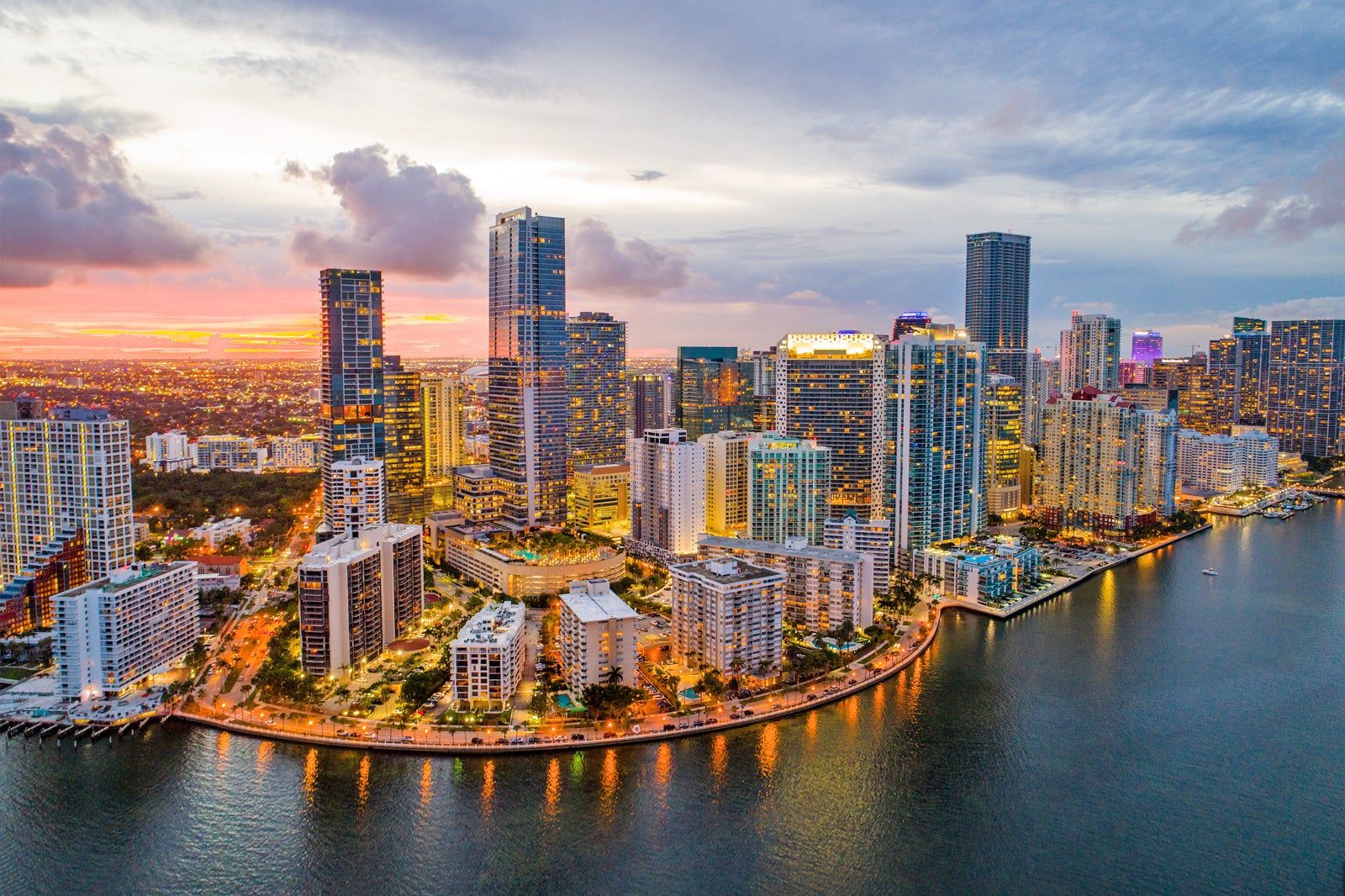
Brickell stands as a sophisticated business corridor within Miami's event landscape, drawing high-stakes corporate gatherings, incentive programs, and targeted industry activations that connect to the larger Miami-Dade and Broward County meetings economy. Its modern high-rise environment and central location create distinct planning parameters for exhibits, booths, and experiential installations that must align with both the area's professional tone and the operational requirements of major regional venues. As an Planning support for trade show coordination, this overview focuses on the practical realities of routing, timing, and resource alignment that shape successful Brickell-linked programs without assuming any single execution model.
The broader Miami trade show ecosystem is led by facilities such as the Miami Beach Convention Center, which provides 1.4 million square feet of meeting and event space including nearly 500,000 square feet of versatile exhibit space, a 60,000 Square Foot Grand Ballroom, a 20,000 Square Foot Junior Ballroom, and 84 breakout rooms. Additional capacity comes from the Miami Airport Convention Center with 172,000 square feet of conference and trade show space, 100,000 square feet of exhibition area, a 29,000 Square Foot ballroom, and 45 breakout rooms. These assets, combined with Broward County Convention Center's 350,000 square feet of contiguous exhibit space and plans for campus growth beyond 1.2 million square feet, create a connected regional system where Brickell serves as both a destination and a strategic staging point for exhibitors.
Effective coordination in this district prioritizes venue-specific manuals, exhibitor-appointed contractor guidelines, freight scheduling, and access to the extensive South Florida supplier network that includes dedicated categories for audio-visual services, transportation, destination management, catering, and staffing. by focusing on these operational nuances rather than generalized approaches, planners can better navigate Brickell's role in the market while maintaining compliance with each property's individual rules.
Brickell's Position Within Miami's Trade Show Economy
As one of Miami's primary financial districts, Brickell hosts a concentration of corporate headquarters, luxury accommodations, and professional services that frequently support event programming tied to larger conventions. Demand for exhibits and displays in this area often stems from organizations seeking proximity to decision-makers in banking, trade, and technology sectors while leveraging the full depth of South Florida's venue inventory. the district's infrastructure supports efficient access to both downtown Miami facilities and the beachside convention core, creating a differentiated environment compared to more artistic zones like Wynwood or the luxury retail focus of the Miami Design District.
Notes from regional planning resources highlight that Miami's trade show activity extends beyond the primary beach convention corridor into downtown and Brickell zones for overflow programs, corporate activations, and incentive events. This spread treats Miami-Dade and Broward counties as an integrated operating region rather than isolated markets. Successful coordination therefore requires understanding how Brickell-specific logistics interact with the 500,000 square feet of exhibit space at the Miami Beach Convention Center and the 100,000 square feet available at the airport-adjacent facility.
District-level differentiation becomes apparent when comparing Brickell's sleek, contemporary aesthetic and business-first orientation to neighboring areas. Exhibits here tend to emphasize clean lines, technology integration, and data-driven storytelling that resonate with finance-oriented attendees, while operational planning must account for urban loading constraints, high-density traffic patterns, and the need for precise scheduling to avoid disrupting the neighborhood's daily corporate rhythms.
Corporate audience focus distinct from creative or hospitality-driven districts
Central location supports same-day movement to multiple convention sites
Emphasis on professional-grade installations matching Brickell's architectural tone
Integration with regional overflow from Broward County venues
Major Venues Shaping Brickell Event Strategy
The Miami Beach Convention Center remains a cornerstone for large-scale trade shows that often extend programming into Brickell through hospitality suites, executive briefings, and satellite events. with its 1.4 million total square feet, 84 meeting rooms, and substantial ballroom capacity, the facility sets standards for exhibit scale and technical requirements that planners must anticipate when coordinating Brickell components. Similarly, the Miami Airport Convention Center's 172,000 square feet of flexible space provides convenient access for airport-linked programs that frequently incorporate Brickell venues for follow-on meetings.
Broward County Convention Center, located in the adjacent county, functions as a key overflow resource with 350,000 square feet of contiguous exhibit space and a 31,639 Square Foot meeting venue. Future expansion plans targeting over 1.2 million square feet further reinforce the connected nature of the South Florida market. for Brickell-based coordination, this means aligning schedules, transportation, and material flows across county lines while respecting each venue's individual operational manuals and exhibitor-appointed contractor policies.
Additional Miami facilities such as the James L. Knight Center and the Coastal Convention Center at Fontainebleau Miami Beach contribute to the layered venue options available to programs that originate or conclude in Brickell. Planning resources stress the importance of reviewing each property's event platform, from sales support to logistics handling, to ensure smooth integration rather than applying uniform assumptions across the ecosystem.
Emphasis on property-specific event platforms and service teams
Supplier Network and Resource Coordination
The Greater Miami Convention and Visitors Bureau maintains a comprehensive supplier directory that organizes resources into specialized categories including audio-visual and film services, caterers, destination management companies, transportation providers, employment services, and entertainment booking. This ecosystem supports a mixed-vendor approach where coordination becomes central to project success, particularly for Brickell programs that may require rapid deployment of technical services or specialized logistics without relying on any single provider.
Effective utilization of this network involves early identification of venue-approved partners and clear communication of project timelines that respect both Brickell's urban constraints and the larger convention center load-in schedules. for instance, transportation suppliers play a critical role in moving materials between the financial district and the Miami Beach Convention Center or Fort Lauderdale facilities, while AV providers must adapt to varying room configurations across the 84 breakout spaces at the primary convention center.
Planning documentation consistently frames the market as Vendor Network Driven rather than governed by universal rules. This reality requires trade show coordinators to build flexible strategies that incorporate multiple supplier touchpoints while maintaining strict adherence to each venue's technical specifications and delivery protocols.
Labor Positioning and Venue-Specific Protocols
Labor and house services in the South Florida market are best approached through a venue-driven, show-specific lens that recognizes differences between convention centers, airport facilities, resort campuses, and urban business districts like Brickell. Official planning notes direct planners to consult individual property manuals and current exhibitor documentation rather than assuming blanket conditions across the region. This positioning ensures compliance while allowing access to the broad supplier ecosystem for staffing and related services.
The GMCVB supplier listings explicitly include employment services as a distinct category, supporting the mixed nature of the market where outside vendors often collaborate with venue teams under show-specific agreements. for Brickell projects, this translates to careful review of contractor rules, particularly when events bridge multiple locations such as a Brickell hotel ballroom and the Miami Airport Convention Center's 45 breakout rooms.
Safe coordination practices emphasize reference to the latest event paperwork, exhibitor-appointed contractor designations, and direct venue guidance. Resources consistently advise against generalized labor assumptions, instead highlighting the importance of aligning with each property's established platform whether at the 350,000 Square Foot Broward facility or the expansive Miami Beach Convention Center.
This approach protects program integrity while leveraging the full depth of regional talent and service providers. Planners who master these venue-specific nuances gain significant advantages in managing complex multi-district schedules that characterize many Miami-area trade shows.
Align with show organizer and venue direction on staffing
Utilize GMCVB-listed employment services where appropriate
Maintain documentation for all contractor arrangements
Logistics and Operational Details in Brickell
Neighborhood routing in Brickell requires attention to urban density, loading dock access, and timing that coordinates with both local traffic patterns and the larger convention center schedules. Freight movements must be synchronized with venue-specific receiving windows at facilities like the Miami Beach Convention Center to prevent delays that could impact the full regional program. These details become especially relevant for exhibits that transition between Brickell corporate environments and the 500,000 square feet of exhibit space at the beachside venue.
Material handling considerations extend beyond basic transportation to include secure storage options, last-mile delivery protocols, and contingency planning for the variable demands of financial district events. the connected Miami-Dade and Broward market means that a single program's logistics may span from Brickell to the Broward County Convention Center's future 1.2 million square foot campus, necessitating comprehensive timeline management.
Experienced coordination focuses on these operational realities rather than surface-level descriptions. by prioritizing freight timing, exhibitor contractor coordination, and precise alignment with venue service teams, projects in Brickell achieve higher levels of reliability within the competitive South Florida events market.
Synchronize with convention center load-in and load-out windows
Account for urban routing challenges in financial district
Plan for multi-venue material flows across county lines
Reference property-specific logistics documentation
Exhibit Design Considerations for Brickell's Corporate Audience
Brickell's identity as Miami's premier financial and international trade hub calls for exhibit designs that project professionalism, technological sophistication, and global connectivity. Unlike the artistic installations common in Wynwood or the luxury retail focus of the Design District, Brickell programs benefit from clean architectural elements, interactive data displays, and modular configurations that facilitate private meetings within larger trade show environments.
The district's proximity to both the Miami Beach Convention Center's Grand Ballroom and the Miami Airport Convention Center's exhibition floor allows for cohesive branding across multiple touchpoints. Designs should anticipate the need for rapid reconfiguration to support varying event scales, from intimate executive sessions to larger networking functions that draw on the regional supplier base for AV and presentation support.
Operational integration remains key. Exhibits must be engineered for efficient transport through Brickell's infrastructure while meeting the technical specifications of connected venues, including power requirements, rigging standards, and accessibility considerations outlined in official planning materials.
Strategic Recommendations for Regional Programs
Treating Miami-Dade and Broward as a unified event region enables more resilient planning for Brickell-anchored programs. This perspective incorporates the full spectrum of capacity from the 1.4 million square feet at Miami Beach to the substantial exhibit halls in Fort Lauderdale, creating backup options and expansion pathways that strengthen overall event strategy.
Early engagement with the GMCVB's convention sales and services team can provide valuable insights into supplier coordination and logistics support, although final decisions always rest on specific venue manuals and show contracts. This resource-driven approach helps navigate the complexity of multi-district events while maintaining focus on measurable operational outcomes.
Successful Brickell projects typically demonstrate mastery of timing, clear documentation, and adaptive coordination that respects the unique characteristics of each participating venue. by emphasizing these elements, exhibitors and planners position themselves for consistent results within South Florida's dynamic trade show environment.
Develop contingency plans leveraging overflow venue capacity
Maintain current documentation for all properties involved
Build relationships within the established supplier categories
Align exhibit elements with both district tone and venue rules
Frequently Asked Questions About Brickell Trade Show Coordination
Q: How does Brickell fit into the larger Miami trade show market?
Brickell operates as a corporate financial hub where many executive and incentive events connect to programming at the Miami Beach Convention Center and other regional facilities. Its central location supports efficient integration with the 500,000 square feet of exhibit space at the convention center and the broader Miami-Dade and Broward ecosystem.
Q: What labor approach is recommended for Brickell projects?
Labor should be treated as venue-specific and manual-driven, with final conditions determined by each property, the show organizer, and current exhibitor documentation. the market features a broad supplier ecosystem for staffing and services rather than uniform rules across all locations.
Q: Which major venues most directly impact Brickell planning?
Key facilities include the Miami Beach Convention Center with 1.4 million square feet of meeting space and 84 breakout rooms, the Miami Airport Convention Center offering 172,000 square feet, and the Broward County Convention Center with 350,000 square feet of exhibit space.
Q: How important is the supplier network for Brickell events?
The GMCVB supplier directory provides essential resources across categories including AV, transportation, catering, and destination management. Coordination through this established ecosystem supports the mixed-vendor nature of South Florida events.
Q: What operational details require special attention in Brickell?
Focus on freight timing, neighborhood routing, exhibitor-appointed contractor coordination, and alignment with venue-specific load schedules. These factors ensure smooth connection between Brickell and primary convention facilities.
Q: How does Brickell differ from other Miami districts for exhibits?
Brickell's financial district character calls for professional, technology-focused designs that contrast with the creative emphasis in Wynwood or luxury orientation of the Design District, while maintaining operational compatibility with the regional convention infrastructure.