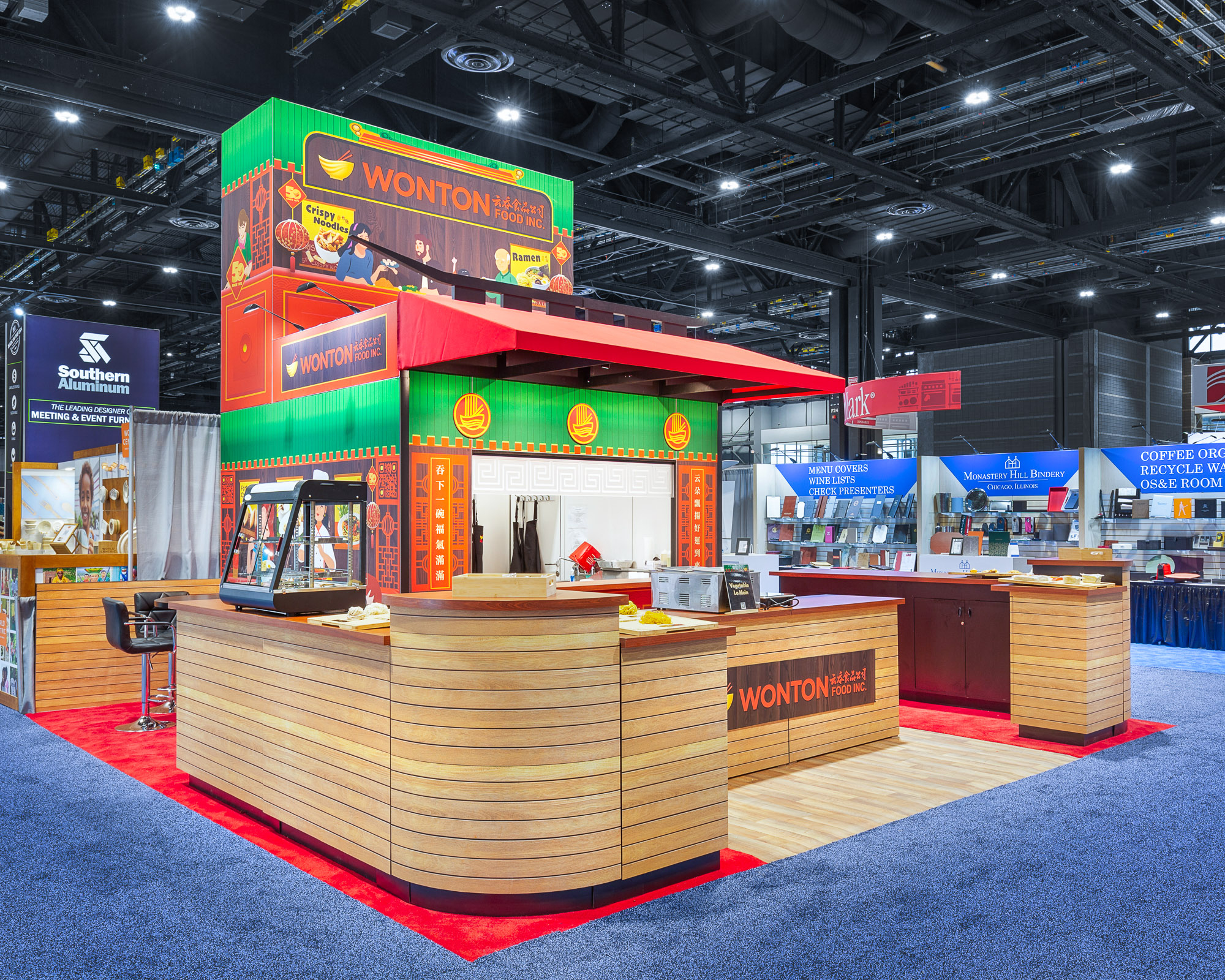
Essential Planning Pillars for Miami Brand Activations
Venue Capacity Alignment: Matching activation scale to facilities like 500,000 square feet of exhibit space at Miami Beach Convention Center.
Cluster-Specific Routing: Optimizing for Miami Beach corridors, Biscayne Bay cores, and airport-west access belts.
Supplier Ecosystem Leverage: Tapping AV, transportation, DMC, and entertainment directories for integrated support.
Manual-Driven Labor Coordination: Adhering to property-specific rules at convention centers and resorts.
Freight and Timing Precision: Accounting for neighborhood loading, trucking paths, and show timelines.
Multi-Venue Spillover Strategies: Linking Miami-Dade with Broward for overflow activations.
Engagement Metrics Integration: Building in tracking from immersive setups to post-event analysis.
Miami planning context
Experiential brand activations transform static exhibits into dynamic interactions, leveraging Miami's world-class facilities like the Miami Beach Convention Center with its 1.4 million square feet of total meeting and event space, including nearly 500,000 square feet of versatile exhibit space, a 60,000 Square Foot Grand Ballroom, and 84 breakout rooms, to create unforgettable brand moments amid the city's busy convention calendar. These activations draw on the market's diverse venue clusters, from the beachfront hospitality corridor to downtown cores and airport-adjacent hubs, ensuring brands connect deeply with attendees through tailored sensory engagements that align with each property's operational framework.
Planning such activations demands a thorough understanding of South Florida's connected ecosystem, where the Miami Airport Convention Center provides 172,000 square feet of conference and trade show space, featuring 100,000 square feet of exhibition area, a 29,000 Square Foot ballroom, and 45 breakout rooms, alongside regional spillovers like the Broward County Convention Center's 350,000 square feet of contiguous exhibit space. Coordination focuses on venue manuals, show organizer guidelines, and the Greater Miami Convention and Visitors Bureau's supplier directory, which encompasses categories for audio-visual services, destination management companies, transportation, and entertainment, enabling smooth integration without assuming uniform labor access across properties.
As a dedicated planning resource, Expo Stand Builders of Miami planning notes brands through these complexities, emphasizing venue-driven strategies that respect each facility's sales and services support, such as the Miami Beach Convention Center's team assistance with contracting, room blocks, and logistics, to maximize activation impact in Miami Beach, Downtown, Brickell, and beyond.
Mastering Venue Selection for Immersive Experiences
Selecting the right venue forms the foundation of any experiential brand activation in Miami, where properties like the Miami Beach Convention Center offer unparalleled scale with 1.4 million square feet of total space, enabling expansive activations that spill from 500,000 square feet of exhibit halls into a 60,000 Square Foot Grand Ballroom and across 84 breakout rooms for segmented interactions. This facility's position in the Miami Beach Convention and Collins Corridor, encompassing South Beach, Mid-Beach, and Bal Harbour, supports activations that blend indoor exhibits with nearby outdoor elements, all while planners navigate the venue's dedicated sales and services team for logistics alignment from contracting through execution.
The Miami Airport Convention Center complements larger hall needs with 172,000 square feet overall, including 100,000 square feet dedicated to exhibitions and a 29,000 Square Foot ballroom ideal for reception-style activations, paired with 45 breakout rooms for intimate brand storytelling sessions. Situated in the Airport, Doral, and West Access Belt alongside areas like Miami Springs and Hialeah, it facilitates smoother freight movements for brands shipping interactive elements, ensuring activations remain agile amid high-volume trade show traffic without overcommitting to unverified on-site capabilities.
Align activations to exhibit sq footage: 500,000 at MBCC, 100,000 at MACC.
Utilize ballroom scales for receptions: 60,000 sq ft Grand at MBCC, 29,000 at MACC.
Incorporate breakout rooms: 84 at MBCC, 45 at MACC for targeted engagements.
Leveraging Miami's Venue Clusters for Strategic Placement
Miami's geography dictates activation success through its distinct clusters, starting with the Miami Beach Convention and Collins Corridor where the Miami Beach Convention Center anchors events near walkable South Beach districts and Collins Avenue hotels, allowing brands to extend activations into Art Deco surroundings and Lincoln Road shopping for hybrid indoor-outdoor flows. This cluster's hospitality depth supports prolonged attendee dwell times, with planners coordinating per venue manuals to integrate experiential elements without presuming blanket access across the corridor's resorts and convention properties.
Shifting to the Downtown, Brickell, and Biscayne Bay Core, venues like the Miami Convention Center and James L. Knight Center enable urban activations tied to investor events and product launches, where the Knight Center's 16,000 Square Foot largest room and 5,000-theater capacity host high-density interactions amid Edgewater, Wynwood, and Miami Design District vibes. Brickell's financial pulse at addresses like 1101 Brickell Ave adds prestige for corporate brands, while planners emphasize show-specific guidelines for supplier introductions via the GMCVB directory.
The Airport, Doral, and West Access Belt, including the Miami Airport Convention Center, prioritizes logistics for activations requiring rapid setup in 100,000 square feet of exhibit space, benefiting from west-side trucking routes into Sweetwater and Miami Lakes, ideal for freight-heavy immersives that avoid beach corridor congestion.
Coordinating with South Florida's Supplier Ecosystem
Effective experiential activations in Miami hinge on the Greater Miami Convention and Visitors Bureau's robust supplier categories, spanning audio-visual and film services for immersive tech integrations, caterers for themed food experiences, destination management companies for off-site extensions, transportation for attendee flows, employment services for staffing alignment, and entertainment booking for live performances that amplify brand narratives. This ecosystem supports mixed-vendor approaches at venues like the Fontainebleau Miami Beach's Coastal Convention Center, where coastal-inspired setups blend indoor conferences with 7,000 Square Foot rooftop overlooks of Biscayne Bay.
Planners must tailor coordination to each property's platform, as seen in the Miami Beach Convention Center's sales team handling room blocks and logistics alongside external AV providers, or the Miami Airport Convention Center's partnership with DoubleTree for custom catering that enhances activation menus. Broward County Convention Center's 350,000 square feet and expansion plans to over 1.2 million square feet position it as spillover for larger Miami-Dade activations, with supplier networks bridging the counties smoothly.
Venue-specific rules govern integrations, ensuring activations respect house services while drawing from the directory's high-end suppliers to craft cohesive experiences without uniform labor assumptions across convention centers, resorts, or the James L. Knight Center's downtown setup.
AV/film for tech immersives.
DMCs/transport for extensions.
Entertainment/catering for sensory depth.
Navigating Logistics and Freight in Miami Markets
Logistics planning for experiential brand activations must account for Miami's venue realities, such as the Miami Beach Convention Center's exhibit halls requiring careful timing around neighborhood routing in South Beach and Mid-Beach, where 500,000 square feet demand phased freight deliveries to avoid Collins Corridor bottlenecks. Planners reference venue directions for loading docks, exhibitor manuals, and show contractor protocols to sequence immersive installs amid the 1.4 million square feet ecosystem.
Airport-west venues like the Miami Airport Convention Center streamline 100,000 square feet of exhibitions with proximity to MIA—12 miles from Miami Beach properties—facilitating trucking from Doral and Hialeah for activations heavy on custom interactives. Downtown clusters at the Miami Convention Center and James L. Knight demand urban freight strategies, coordinating with Biscayne Bay access for Wynwood or Brickell tie-ins.
Regional connectivity treats Miami-Dade and Broward as one zone, with the Broward County Convention Center's contiguous 350,000 square feet absorbing overflows, ensuring activations maintain momentum through cross-county supplier and transport links guided by GMCVB resources.
Timeline and Execution Frameworks for Activations
Crafting timelines for Miami experiential activations starts with venue contracting via sales teams like those at the Miami Beach Convention Center, securing space in the 60,000 Square Foot Grand Ballroom or 84 breakouts months ahead to align with show calendars and room block logistics. Pre-event phases involve supplier briefings from the GMCVB directory, prototyping immersives scaled to 500,000 exhibit square feet, and mockups tested against property rules.
On-site execution follows manual-driven sequences, phasing AV installs, entertainment setups, and interactive zones at the Miami Airport Convention Center's 172,000 square feet, with 45 breakouts for staggered rollouts minimizing disruptions in high-traffic airport belts. Post-install monitoring ensures alignment with show organizers, adapting to real-time conditions at Fontainebleau or Faena Forum.
De-rig timelines mirror installs, prioritizing freight reversal through west-access routes or Broward spillovers, with final reporting drawing on engagement data from activations across Miami Beach, Downtown, and beyond.
Pre-event: Contracting, supplier sync, prototyping.
Execution: Phased installs per manual.
Post: De-rig, metrics capture.
Integration with Broader Trade Show Programs
Experiential activations amplify trade show presence when nested within Miami's exhibit ecosystems, using the Miami Beach Convention Center's 500,000 square feet to embed brand immersives amid association conventions, extending into Junior Ballroom receptions or breakout networking. This integration leverages the venue's services support for holistic program flow, coordinating with external entertainment and AV for heightened interactions.
At the Miami Airport Convention Center, activations within 100,000 exhibit square feet tie into trade shows via the 29,000 Square Foot ballroom for brand lounges, drawing DoubleTree catering to sustain energy across 45 breakouts. Downtown at James L. Knight, theater-scale events feed into exhibit adjacencies, while Broward expansions host overflow booths linked to Miami-Dade mains.
Planning emphasizes exhibitor-appointed coordination, aligning activations with general contractors and show rules to create unified experiences across clusters without overstepping venue-specific boundaries.
Measuring Success in Miami Activations
Quantifying experiential impact in Miami involves pre-defined metrics tied to venue footprints, tracking dwell times in Miami Beach Convention Center's exhibit halls or interaction rates at activation stations within the 60,000 Square Foot Grand Ballroom. Post-event analysis reviews footfall data from 84 breakouts, supplier feedback, and attendee surveys to refine future scales.
Logistics metrics assess freight efficiency from airport belts to beach corridors, while engagement KPIs from AV-tracked immersives at Miami Airport Convention Center's 100,000 square feet benchmark against regional benchmarks like Broward volumes. This data-driven closeout informs iterative planning, respecting each property's manual for accurate attribution.
Dwell/interaction tracking.
Freight timeline adherence.
Supplier/attendee feedback loops.
Frequently Asked Questions on Miami Experiential Activations
Q: What defines an experiential brand activation in Miami conventions?
These activations create interactive, multi-sensory brand encounters scaled to venues like the Miami Beach Convention Center's 500,000 exhibit square feet, using AV, entertainment, and spatial designs coordinated via GMCVB suppliers to foster deeper attendee connections amid trade shows.
Q: Which Miami venues best suit large-scale activations?
The Miami Beach Convention Center with 1.4 million total square feet and 500,000 exhibit space, plus the Miami Airport Convention Center's 172,000 square feet including 100,000 exhibitions, offer robust platforms, with Broward spillover for expansions.
Q: How does supplier coordination work in South Florida?
Through the GMCVB directory's categories for AV, DMCs, transport, and more, aligned to venue manuals at properties like Fontainebleau or James L. Knight, ensuring mixed-vendor support without uniform labor claims.
Q: Can activations span Miami-Dade and Broward?
Yes, treating them as connected regions, with Broward County Convention Center's 350,000 exhibit feet absorbing Miami overflows, linked by shared suppliers and transport.
Q: How to ensure compliance with venue rules?
Adhere to property-specific manuals, exhibitor guidelines, and GMCVB resources, coordinating labor and services as venue-driven rather than assuming open access across facilities.